Tower Hamlets council garden waste rules for local gardeners: a practical guide
If you garden in Tower Hamlets, you already know the rhythm of the place: narrow side returns, compact courtyards, shared front paths, and the occasional heroic attempt to grow far too much in far too little space. The problem is not usually the gardening itself. It is what happens after the pruning, mowing, weeding, and clearing. Understanding the Tower Hamlets council garden waste rules for local gardeners can save you time, avoid awkward mistakes, and keep your outdoor space looking tidy without creating extra hassle.
In plain English, this guide explains how garden waste should be separated, stored, and dealt with in a borough like Tower Hamlets, where space is limited and collection habits matter. It also covers what local gardeners often get wrong, how to stay on the safe side, and when it makes more sense to arrange a proper clearance or maintenance visit rather than let the pile grow into a small green mountain. Let's face it, nobody wants that on a wet Tuesday morning.
Contents
- Why Tower Hamlets council garden waste rules for local gardeners matters
- How Tower Hamlets council garden waste rules for local gardeners works
- Key benefits and practical advantages
- Who this is for and when it makes sense
- Step-by-step guidance
- Expert tips for better results
- Common mistakes to avoid
- Tools, resources and recommendations
- Law, compliance, standards, or best practice
- Options, methods, or comparison table
- Case study or real-world example
- Practical checklist
- Conclusion
- Frequently asked questions
Why Tower Hamlets council garden waste rules for local gardeners matters
Garden waste rules matter because they shape what you can put out, how you should sort it, and how smoothly your garden maintenance routine runs. If you ignore them, you may end up with overflowing bags, missed collections, fly-tipping risk, or a garden that looks neat for ten minutes and messy again by tea time. None of that is ideal.
For local gardeners, the bigger issue is usually scale. A small trim from a hedge, a few lawn clippings, and a sack of weeds can become surprisingly awkward if you do not have a plan. In Tower Hamlets, where storage space is often tight, the difference between a manageable tidy-up and a stressful weekend is often simply knowing what belongs in garden waste and what does not.
There is also a trust factor. When a garden looks cared for, shared spaces feel better, neighbours are less likely to complain, and the work itself becomes more satisfying. You can hear the difference, too: the crunch of dry cuttings bagged properly rather than the soggy thud of mixed rubbish that should have been separated in the first place.
Key point: good garden waste management is not just about compliance. It is about keeping your routine efficient, your outdoor space pleasant, and your disposal habits sensible.
How Tower Hamlets council garden waste rules for local gardeners works
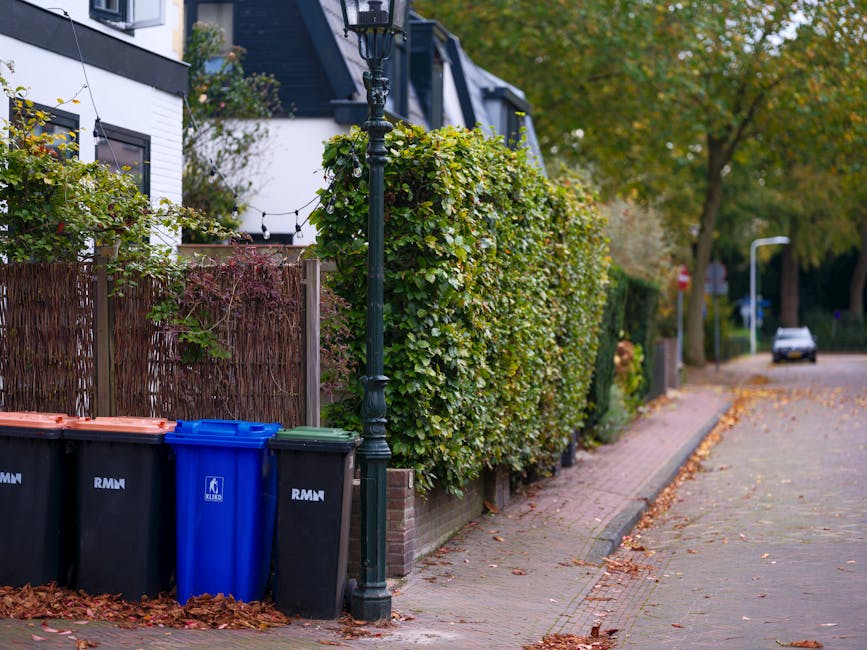
While local details can change over time, the practical idea is usually straightforward: garden waste should be kept separate from general household rubbish and handled in the way the council allows. That means knowing the difference between organic garden material and other types of waste, storing it properly, and using the appropriate collection or disposal route.
Most gardeners run into the same few categories:
- Typical green waste: grass cuttings, hedge trimmings, leaves, weeds, plant stems, and small branches.
- Mixed garden debris: soil, turf, roots, pots, broken canes, plastic ties, and general rubbish mixed into one pile.
- Larger or heavier waste: tree branches, logs, thick root balls, and bulky clearance material.
The first group is usually the easiest to manage. The second and third groups are where people get tripped up. For example, if you have been doing a seasonal tidy-up after a damp spell and everything is muddy, it can be tempting to throw it all into one bag. But mixed waste tends to cause problems because it is heavier, dirtier, and harder to process. It also creates a smell. Not a pleasant one.
For bigger jobs, many local gardeners look at whether they need a structured clearance rather than a standard tidy. If that sounds familiar, a service like garden clearance can be a practical option when the waste volume has gone beyond what you can reasonably handle yourself.
It also helps to think about the wider routine. Regular tasks such as hedge trimming, lawn work, and seasonal maintenance create predictable waste streams. If you keep on top of the work, disposal stays simple. If you leave it for three months, everything gets heavier, messier, and more awkward to move. Strange how that always happens, isn't it?
Key benefits and practical advantages
Following the council's garden waste approach gives you more than just a cleaner kerbside. It creates a better workflow for the whole garden.
- Cleaner outdoor spaces: waste is removed before it spreads, rots, or gets blown around.
- Less risk of contamination: keeping garden waste separate helps prevent bins from being rejected or difficult to process.
- Easier weekly maintenance: small regular clear-ups are much simpler than one huge, exhausting job.
- Better neighbour relations: tidy storage and sensible disposal reduce complaints about odour, pests, and overflow.
- More efficient professional help: if you use a gardener, it is easier for them to work cleanly and safely when waste is already organised.
There is also a hidden benefit: planning waste properly often makes the rest of the garden easier to manage. A lawn that is kept clear, a hedge that is trimmed regularly, and beds that are weeded before everything seeds over will always create less waste in the long run. The job simply gets smaller.
For homeowners and tenants alike, that matters. If you are juggling work, family, and a tiny patch of green in east London, efficiency is not a luxury. It is survival with secateurs.
Who this is for and when it makes sense
This guidance is useful for anyone who gardens in Tower Hamlets, but it is especially relevant if you are:
- a homeowner with a small front or rear garden
- a tenant responsible for keeping a shared outdoor area tidy
- a landlord arranging routine garden upkeep between tenancies
- a keen gardener producing regular green waste from mowing, trimming, and pruning
- someone tackling a seasonal clear-out after months of neglect
It also makes sense when your garden waste starts becoming a logistics issue rather than a gardening one. That might happen after:
- a hedge has grown out of shape and needs cutting back
- trees or shrubs drop more material than expected
- you clear overgrown beds and discover far more waste than you bargained for
- you are preparing a garden for new planting or landscaping
- you are trying to make a small yard look presentable before visitors arrive
If you are planning wider improvements, waste control becomes even more important. Projects such as landscape gardening or landscaping often generate a mix of organic material and non-organic debris, so the disposal plan needs to be thought through before the first cut is made.
Step-by-step guidance
Here is the simplest way to handle garden waste in a sensible, council-friendly way.
- Separate the waste as you go. Put green material in one pile and non-garden rubbish in another. It sounds obvious, but once you start cutting, it is very easy to mix in string, pots, old supports, and general junk.
- Keep an eye on moisture. Wet grass and soaked leaves weigh far more than dry cuttings. If you can, let waste drain or dry slightly before bagging it. It saves effort and bags.
- Use suitable containers. Strong sacks or bins are better than flimsy bags that split halfway down the path. Nobody wants to trail hedge clippings across the paving. Nobody.
- Bundle awkward branches safely. Tie longer material together if permitted, or keep it neat so it can be moved without scratching walls, fences, or hands.
- Check what the council will and will not take. Do not assume every bit of garden-related material is acceptable. Soil, rubble, pots, treated timber, and mixed waste often need different handling.
- Plan for the final destination. Decide in advance whether it is going to council collection, private disposal, or a dedicated clearance service.
A practical example helps here. Imagine you have spent Saturday morning trimming a hedge, mowing a narrow lawn, and clearing a few straggly beds. If you sort the waste into manageable groups straight away, the job finishes cleanly. If you leave it all in one heap until Sunday afternoon, it suddenly feels twice as big. Funny how that happens.
For routine upkeep, it is usually much easier to stay on top of the job with regular visits. A reliable garden maintenance approach keeps waste volumes sensible and reduces the need for big emergency clear-outs.
Expert tips for better results
In our experience, a few small habits make a big difference.
- Tidy while cutting. Do not wait until the end of the job to deal with waste. Clear as you go and the site stays calmer.
- Cut in stages. If a hedge or shrub is very dense, take a little off at a time. You will produce more manageable waste and avoid overcutting.
- Use dry-weather windows when possible. Green waste is far easier to handle when it is not waterlogged. A crisp morning can be your best friend.
- Keep a "mixed waste" box. Small bits of plastic, plant labels, broken ties, and random debris can be collected separately instead of sneaking into the green pile.
- Think about access first. In Tower Hamlets, access is often the hidden headache. Narrow side paths, shared gates, and basement-level gardens can make moving bags harder than the cutting itself.
If you are dealing with hedges or larger woody growth, it is often smarter to combine waste planning with the work itself. Services such as hedge trimming and tree lopping and removal are usually easier to manage when the waste is expected rather than improvised.
Small tip, but a useful one: keep one empty bag or container ready before you start. It stops the whole project from turning into a pile-on by lunchtime.
Common mistakes to avoid
Most waste problems are not dramatic. They are the result of a few ordinary mistakes repeated over and over.
- Mixing green waste with general rubbish. This is the most common issue. It creates extra work and can make disposal harder.
- Overfilling bags. Heavy bags split, drag, and are unpleasant to move. A bag that can be lifted safely is usually a better choice than one that looks impressive but behaves like a sack of wet bricks.
- Leaving waste in the garden too long. Waste left in place can smell, harbour pests, and spoil the look of the space.
- Assuming soil is "just garden waste". Soil and turf can be treated differently from green cuttings. Check carefully before mixing them in.
- Ignoring access and lifting risks. Wet bags on stairs or through tight side returns are a recipe for slips, strains, or damage to walls and doors.
There is another mistake that matters in local gardens: treating all clear-ups like one-off chores. In reality, garden waste management is often a maintenance issue, not a once-a-year job. If you get behind, the workload becomes much less forgiving. Truth be told, the garden notices before you do.
If a space has become badly overgrown, a dedicated garden clearance can be the cleaner, safer option compared with trying to chip away at it in your spare time.
Tools, resources and recommendations
You do not need a van full of kit to manage garden waste well. A few sensible tools go a long way.
- Heavy-duty garden sacks for cuttings, leaves, and weeds
- Rake and leaf grabber for collecting light debris quickly
- Secateurs, loppers, and a pruning saw for cutting waste into manageable sizes
- Wheelbarrow or trug for moving material through tight spaces
- Gloves for handling thorny, damp, or sharp material
- Tarpaulin for gathering waste in one place before bagging it
Resources matter too, even if they are basic. A short written note on what goes in each bag can save confusion, especially if more than one person helps with the garden. One bag for green waste, one for mixed debris, one for woody offcuts. Simple. Boring, even. But very effective.
If you want broader support with keeping the whole space under control, it can help to pair waste management with regular mowing and upkeep. Services like lawn mowing and routine garden maintenance keep the amount of waste predictable instead of chaotic.
And if you care about responsible disposal, it is worth building habits around reuse and reduction. For example, some woody prunings can be cut down and reused as garden structure, while healthy leaves can often be collected separately for composting where appropriate.
Law, compliance, standards, or best practice
For local gardeners, the important thing is to follow the council's current instructions rather than guessing. Local authority waste arrangements can change, and what is accepted in one type of bin or collection service may not be accepted in another. So, while the exact details should always be checked directly by the resident, the safe principles are stable.
Those principles are:
- keep garden waste separate from household rubbish where required
- do not include prohibited materials in green waste
- store waste safely and neatly before collection or removal
- avoid creating public nuisance through spillages, odour, or mess
- manage heavy or hazardous items with care
If you hire someone to help with the work, you should also expect them to operate safely and responsibly. Professional gardeners should handle waste sensibly, protect access routes, and avoid leaving a site in a worse state than they found it. That is just basic good practice, really.
If you want to see how a service provider handles standards around safe working and responsible behaviour, it can be useful to read about health and safety policy, insurance and safety, and recycling and sustainability. Those pages help show the wider approach behind the practical work.
Practical takeaway: treat waste disposal as part of the gardening job, not an afterthought. That mindset keeps you compliant, organised, and far less stressed.
Options, methods, or comparison table
There is no single best method for every garden. The right option depends on volume, access, time, and how much lifting you want to do yourself.
| Method | Best for | Pros | Limitations |
|---|---|---|---|
| Council collection or approved local disposal route | Smaller, regular volumes of garden waste | Often economical, straightforward for routine upkeep | May have rules on material type, size, or presentation |
| DIY bagging and transport | Gardeners with time, transport, and manageable waste | Full control, flexible timing | Requires lifting, sorting, and a suitable vehicle or storage plan |
| Professional garden clearance | Large, heavy, overgrown, or mixed waste | Saves time, reduces hassle, good for complex jobs | Usually costs more than doing it yourself |
| Regular maintenance visits | People who want to prevent waste build-up | Keeps the garden tidy all year, avoids big one-off jobs | Needs a schedule and ongoing commitment |
If your garden is small and regularly maintained, simple bagging may be enough. If you are facing a spring clean, post-tenancy tidy, or the classic "I meant to deal with this months ago" scenario, a structured clearance is usually the smarter route.
That is where service planning becomes useful. You can compare options through services overview and, if needed, review pricing and quotes so you can choose the method that fits your actual garden rather than an ideal one.
Case study or real-world example
Picture a small backyard in Tower Hamlets after a busy growing season. The hedge has flared out over the fence, the lawn has gone patchy at the edges, and the beds are full of weeds that seemed harmless in April but now look like they have taken over the place. Nothing dramatic, just the usual London garden drift.
The owner starts with the hedge. By the end of the first hour, there is a pile of green cuttings, a few thicker branches, and a bag of weeds that has picked up soil and old twine. At that point, the right move is not to keep shoving everything into one sack and hoping for the best. The smarter move is to sort the waste by type, cut the woody material down to size, and decide which part can be handled through normal garden waste and which part needs a more robust removal plan.
In a real job like this, the garden often improves fastest when the waste plan is handled early. The path stays clear, the side return remains usable, and the person doing the work does not end up making repeated trips carrying bags that are too heavy. By late afternoon, the space feels calmer. You can smell the fresh cut greenery rather than damp decay. That change matters more than people think.
In many cases, the owner also decides to schedule follow-up care rather than waiting for another seasonal pile-up. That is usually where routine trimming and maintenance start paying for themselves, because the next job is smaller, quicker, and much less annoying.
Practical checklist
Use this quick checklist before you put garden waste out or arrange removal:
- Have I separated green waste from general rubbish?
- Are there any items that should not go in with garden waste, such as pots, plastics, or rubble?
- Is the waste bagged, tied, or bundled safely?
- Can each bag or bundle be lifted without strain?
- Have I checked the current council guidance for Tower Hamlets?
- Do I need a regular maintenance plan rather than a one-off clear-up?
- Would a professional clearance save time and reduce risk?
- Is access clear for carrying waste through the property?
- Have I kept sharp tools and heavy debris separate from loose cuttings?
- Will the waste be stored neatly if it is not going out immediately?
If you can tick most of those boxes, you are in good shape. If not, pause and fix the weak spot first. That tiny bit of order saves a surprising amount of grief later.
Conclusion
Getting to grips with Tower Hamlets council garden waste rules for local gardeners is really about making garden care easier, cleaner, and more predictable. Once you know how to separate waste, store it properly, and choose the right disposal route, the whole job becomes less stressful. The garden looks better, the routine feels lighter, and you are far less likely to be caught out by a pile of cuttings that has quietly doubled overnight.
For many local gardens, the best approach is simple: keep on top of maintenance, sort waste as you go, and use the right help when the job grows beyond a quick tidy. That is especially true in smaller Tower Hamlets spaces, where every bag and every step matters a bit more than you expect.
Get a free quote today and see how much you can save.
And if there is one final thought to leave you with, it is this: a well-kept garden does not need to be perfect. It just needs a steady hand, a sensible plan, and the occasional tidy up before things get out of hand.
Frequently Asked Questions
What counts as garden waste in Tower Hamlets?
Garden waste usually means natural material from garden work, such as grass cuttings, leaves, weeds, hedge trimmings, and small branches. Mixed rubbish, pots, rubble, and treated timber are typically handled differently, so it is worth keeping them out of the green pile.
Can I put soil in with garden waste?
Not automatically. Soil is often treated differently from light green waste because it is heavy and can create problems in collection or processing. If you have a lot of soil or turf, check the current local guidance before bagging it up.
What should local gardeners do with hedge trimmings?
Hedge trimmings should be kept separate from household rubbish and cut down into manageable sections if needed. If you are dealing with a large hedge, it may be easier to combine the job with hedge trimming and a planned waste removal approach.
Is it better to do garden clearance myself or hire help?
It depends on the volume and access. Small routine jobs are often manageable DIY. Larger, heavier, or overgrown spaces are usually better handled through a professional garden clearance because it saves time and reduces lifting risks.
How often should I remove garden waste?
As often as needed to stop waste building up. For many local gardens, regular light clear-ups are easier than one huge seasonal job. If you are mowing and trimming regularly, try to remove or bag waste soon after each session.
What happens if garden waste is mixed with general rubbish?
Mixed waste is harder to manage and may not be accepted in the same way as clean garden waste. It can also attract complaints if it is left out badly or creates a mess. Separating waste early usually avoids those problems.
Do I need special tools to handle garden waste properly?
Not special, just sensible. Strong sacks, gloves, a rake, loppers, and something to move waste safely are usually enough for most jobs. A tarpaulin helps too, especially in small gardens where space is tight.
When should I arrange regular maintenance instead of a one-off tidy?
If waste keeps building up or your garden always seems to get out of control, a regular maintenance plan is often the better choice. It keeps the work smaller and less expensive to manage over time.
Are there safety risks with garden waste removal?
Yes. Wet bags can be heavy, branches can scratch or poke, and narrow paths can become slippery. It is sensible to think about lifting, access, and footwear before you start. Basic care goes a long way.
How can I make garden waste easier to manage in a small Tower Hamlets garden?
Work in stages, use smaller bags, keep green waste separate, and clear as you go. In small gardens, the main challenge is usually not the waste itself but where to put it while you work. A tidy staging area helps a lot.
What if my garden has become badly overgrown?
Start by separating what can be cut back safely from what needs more careful handling. If the job is bigger than expected, a structured clearance is often the least stressful route. It can feel like a mountain at first, but it usually gets easier once the first pile is removed.
Can garden waste management help improve the look of my whole garden?
Absolutely. Once waste is under control, the garden immediately looks more intentional. Paths open up, beds are easier to see, and maintenance feels more manageable. It is one of those small improvements that changes everything.
For more about the company behind these services, you can also visit the about us page or browse the full services overview if you are planning a larger project.